Dubai is known for its skyline, luxury shopping, and modern lifestyle, but its true identity lies in diversity. People from more than 200 nationalities live and work in the city, and this cultural mix is reflected beautifully in one place: the desert safari. A multicultural experience desert safari Dubai is not just about dunes and adventure; it’s about how different cultures come together in a shared space, shaped by Emirati heritage.
In the desert, travelers from Asia, Europe, Africa, the Middle East, and the Americas sit on the same carpets, share the same food, watch the same performances, and experience Arabian hospitality together. This blend of cultures, traditions, languages, and travel styles is what makes desert safaris in Dubai unique compared to desert tours anywhere else in the world.
What Makes a Desert Safari in Dubai Multicultural?
A multicultural desert safari experience in Dubai happens naturally. Dubai itself is a global hub, and desert safari tours attract visitors from every corner of the world. On a typical safari, you may find families from India, honeymooners from Europe, solo travelers from Australia, and groups from the Middle East—all in the same vehicle or camp.
The desert safari is designed to be inclusive. Activities, food options, entertainment, and hospitality are planned to suit international guests while still preserving local traditions. This balance between global comfort and Emirati culture is the core of the multicultural desert safari experience.
Journey to the Desert: A Shared Experience
The experience begins with hotel pickup, often in shared 4×4 vehicles. From the first moment, guests start interacting—exchanging greetings, travel stories, and expectations. Language differences rarely matter, as the excitement of heading into the desert creates a shared energy.
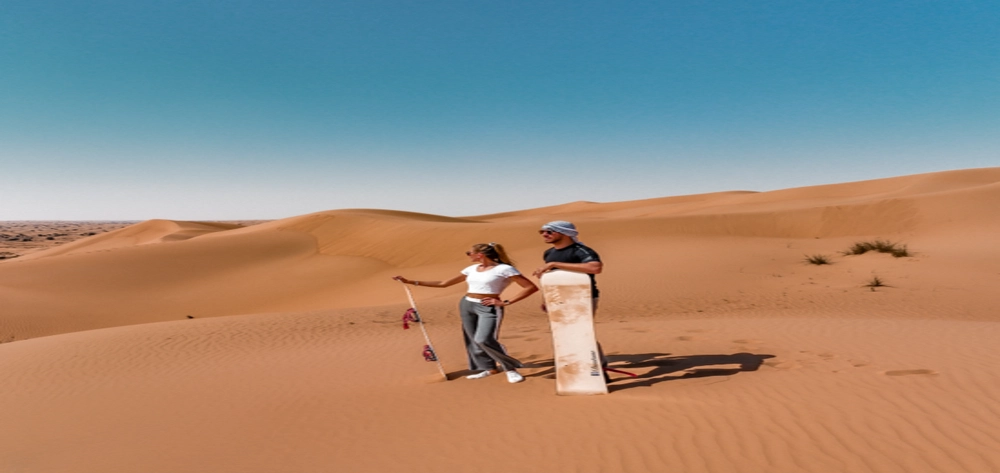
During dune bashing, laughter and reactions break all cultural barriers. Adventure becomes a universal language. Whether it’s someone experiencing sandboarding for the first time or watching the desert sunset together, these moments create instant connections.
The Desert Camp as a Cultural Meeting Point
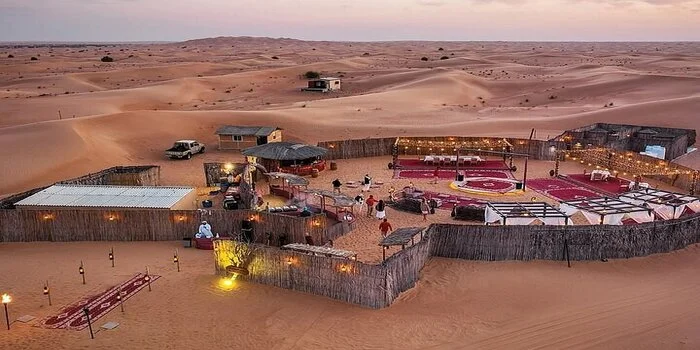
The desert camp is where the multicultural experience truly unfolds. Designed in traditional Bedouin style, camps welcome guests with Arabic coffee and dates, a symbol of Emirati hospitality. This simple gesture introduces visitors to local customs while making everyone feel at home.
Seating arrangements are informal and communal. Guests sit on carpets and cushions, encouraging conversation and interaction. It’s common to see people sharing travel tips, discussing their countries, or simply enjoying the atmosphere together.
Cultural Activities That Unite People
Desert safari camps offer a mix of cultural activities that appeal to international audiences while staying rooted in local heritage.
Camel rides introduce guests to one of the most important animals in Arabian history. For many visitors, this is their first close interaction with camels, creating curiosity and conversation.
Henna painting attracts guests from all backgrounds. Designs vary, and artists often explain the cultural meaning behind patterns, adding an educational element to the experience.
Traditional Arabic dress photography allows visitors to try local attire. This activity is especially popular among international tourists, offering a respectful way to engage with Emirati culture.
Multicultural Entertainment in the Desert
Evening entertainment during a desert safari is carefully curated to reflect both regional and international tastes.
Tanoura dance represents spiritual and cultural traditions from the region, captivating audiences with its color and rhythm. Belly dance performances, while modernized for tourism, remain one of the most recognizable Middle Eastern art forms.
Fire shows add universal excitement, appealing to all age groups and cultures. These performances don’t rely on language, making them accessible to everyone.
The combination of traditional and contemporary entertainment ensures that no matter where guests come from, they feel included and engaged.
Food as a Cultural Bridge
Food plays a major role in the multicultural desert safari experience in Dubai. BBQ dinners are designed with international guests in mind, offering a variety of dishes to suit different dietary preferences.
Buffets usually include:
-
Middle Eastern dishes like hummus, bread, and grilled meats
-
South Asian flavors such as rice and mild curries
-
Western-style salads and grilled items
-
Vegetarian options for diverse dietary needs
Sharing a meal under the open sky brings people together. Guests often discuss flavors, compare cuisines, and exchange cultural food stories, making dinner one of the most social parts of the safari.
Language, Hospitality, and Inclusivity
Tour guides and camp staff are trained to work with international guests. English is commonly used, and many staff members speak multiple languages. This ensures smooth communication and a welcoming environment for everyone.
Hospitality in the desert is warm and respectful. Emirati traditions emphasize generosity, and this is reflected in how guests are treated, regardless of nationality or background.
The desert safari environment encourages mutual respect. Cultural differences are acknowledged, not highlighted, creating a comfortable and inclusive atmosphere.
Desert Safari as a Cultural Learning Experience
Beyond entertainment, a multicultural desert safari offers subtle learning moments. Guests learn about Bedouin life, desert survival, and the historical importance of the desert in Emirati culture.
At the same time, guests learn from each other. Conversations reveal how different cultures travel, celebrate, and experience nature. These interactions often leave lasting impressions and friendships.
Multicultural Experience for Families, Couples, and Solo Travelers
Families appreciate the safe, welcoming environment where children can interact with people from different cultures. Kids often remember desert safaris as one of the most exciting and educational parts of their trip.
Couples enjoy the romantic desert setting while sharing experiences with travelers from around the world. The mix of privacy and social interaction makes the experience balanced and memorable.
Solo travelers often find desert safaris ideal for meeting people. Shared activities make it easy to connect without pressure.
Best Time to Enjoy a Multicultural Desert Safari in Dubai
The peak season from October to April attracts the most diverse mix of international visitors. During this time, desert camps are lively, and cultural interactions are richer.
Evening and overnight safaris offer more opportunities for interaction than short morning tours, as guests spend more time together.
Why Multicultural Desert Safari Experiences Matter
In a world where travel can sometimes feel rushed and isolated, desert safari experiences in Dubai remind travelers of the joy of shared moments. Sitting together under the stars, watching performances, and sharing food creates a sense of unity that goes beyond nationality.
The desert becomes a neutral space—free from borders, labels, and routines. It’s a place where stories are exchanged, cultures are respected, and memories are created together.
Is Multicultural Desert Safari Right for You?
If you enjoy meeting people, learning about cultures, and experiencing destinations beyond sightseeing, then a multicultural desert safari in Dubai is ideal. It offers adventure, culture, and connection in a single experience.
For travelers seeking authentic moments rather than isolated luxury, the desert safari provides a balance between tradition and modern comfort.
Frequently Asked Questions (FAQs)
What is a multicultural desert safari experience in Dubai?
It’s a desert safari where travelers from different countries experience Emirati culture together through shared activities, food, and entertainment.
Is the desert safari suitable for people from all cultures?
Yes. Desert safaris in Dubai are designed to be inclusive and respectful of diverse backgrounds.
Do I need to know Arabic to enjoy a desert safari?
No. English is widely spoken, and communication is easy for international guests.
Are food options suitable for different dietary preferences?
Yes. Most camps offer vegetarian and mild options to suit global tastes.
Is the multicultural experience better in group or private safaris?
Group safaris offer stronger multicultural interaction, while private safaris focus more on privacy.
When is the best time to experience cultural diversity during a desert safari?
October to April is the best time due to higher international tourism.